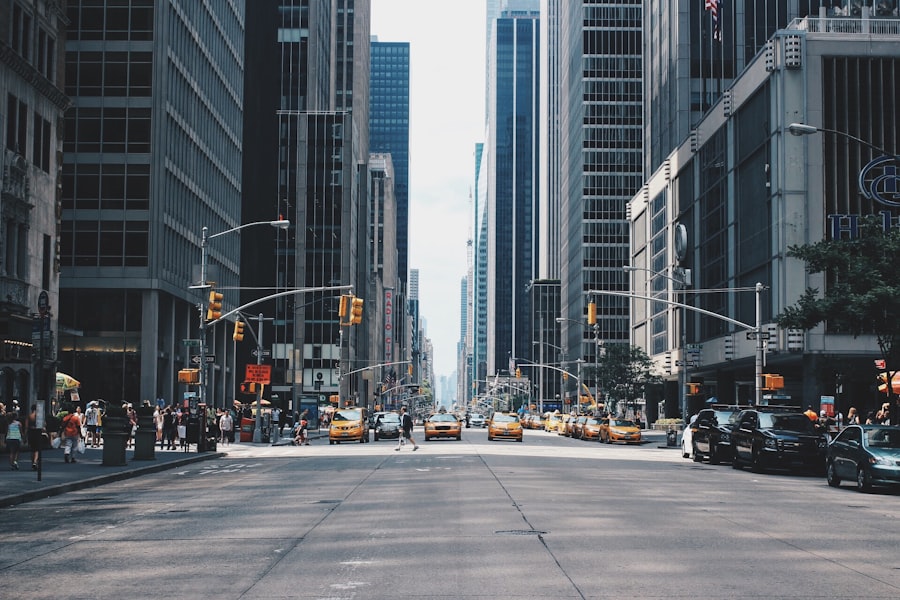
If you are wondering what to do on a city walk, start by lowering the pressure. You do not need to turn every walk into a museum checklist. The best city walks usually mix a few obvious stops with small discoveries that would never make a top-ten list.
Use this guide as a menu. Pick five or six ideas for a relaxed half-day walk, or combine more of them into a full walking itinerary. The goal is not to do everything. The goal is to make the walk feel alive. For a worked example, our Barcelona 3-day walk strings ideas like these into a day-by-day route.
1. Start with one neighborhood, not the whole city
A city becomes easier to understand when you walk it neighborhood by neighborhood. Choose a compact area with a clear identity: an old town, a market district, a riverside, a creative quarter, a temple area, or a residential neighborhood near a famous landmark.
This keeps the day from becoming a long transit puzzle. You spend more time noticing the place and less time crossing the city just to reach the next stop.
2. Pick one anchor stop
An anchor stop gives the walk shape. It can be a museum, viewpoint, garden, temple, food hall, bookshop, bakery, or public square. Build the walk around that single point, then let the surrounding streets do the rest.
One anchor is usually enough for a casual walk. Two or three can work for a full day. More than that often turns a walk into a checklist.
3. Find the local main street
Every neighborhood has a street where daily life gathers. It may not be the prettiest street, but it usually tells you the most. Look for grocery stores, pharmacies, bakeries, cafés, repair shops, school gates, bus stops, and small restaurants.
Tourist streets show you what a city sells. Local streets show you how a city lives.
4. Follow food smells
Food is one of the easiest ways to let a city lead. If you pass a bakery, noodle shop, coffee roaster, market stall, or snack window that feels busy with local customers, stop. A small food stop makes the walk memorable without requiring a reservation or a full meal.
On longer walks, plan one proper sit-down break. City walking is more enjoyable when you treat food as part of the route, not something you squeeze in after you are exhausted.
5. Look for markets
Markets are perfect city walk stops because they compress a lot of local life into one place: produce, routines, prices, smells, conversations, and tiny differences in what people buy. Even a short pass through a market can make a neighborhood feel more real.
Morning is usually best. Tokyo's official tourism site, for example, suggests visiting Tsukiji Outer Market between 9:00 and 13:00, and most of its stores close before evening. By late afternoon, many traditional markets are either closed or less lively.
6. Add a park or waterfront
Good walking days need changes of texture. After tight streets and busy crossings, a park, canal, harbor, river path, or lakeside walk gives your body and attention a reset.
This is especially useful in hot cities, where health services advise staying in the shade, especially between 11am and 3pm. Shade, benches, and water views can save an afternoon that would otherwise turn into a tired march.
7. Climb to one viewpoint
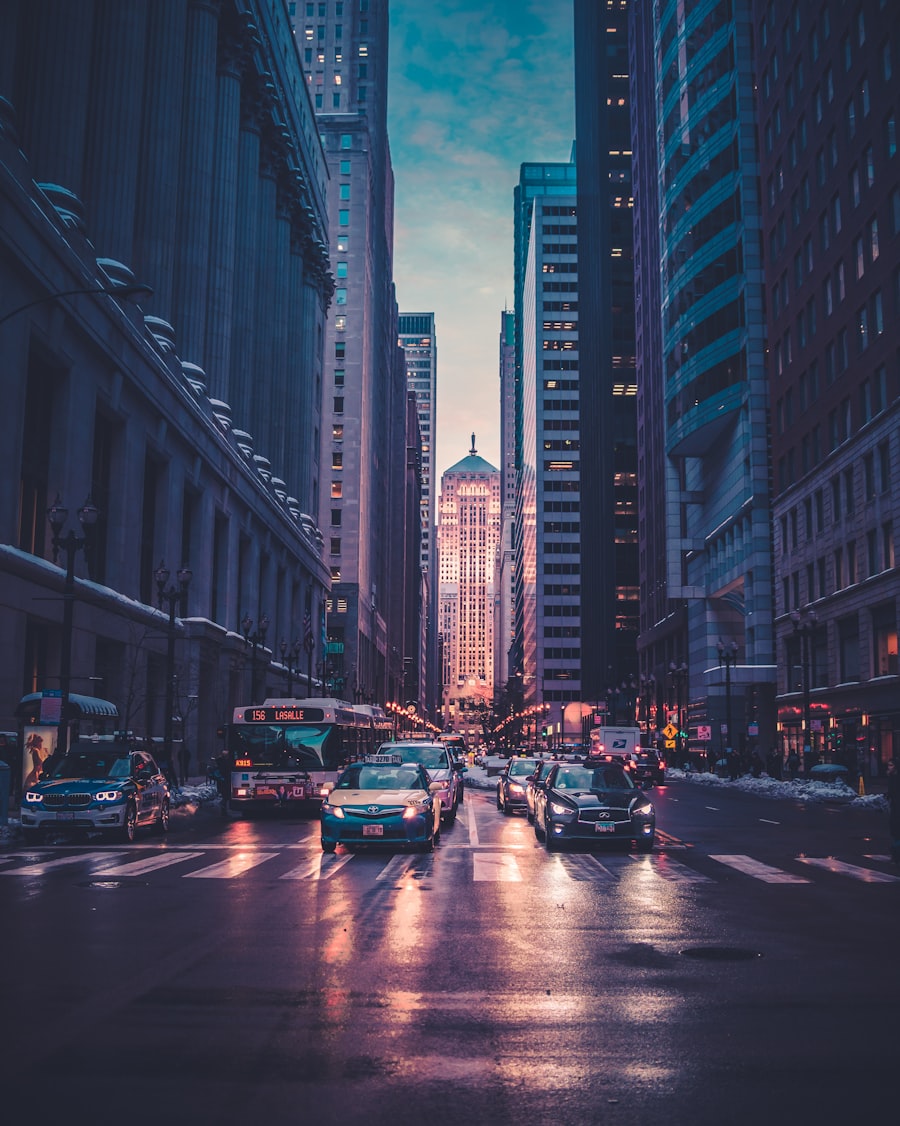
A viewpoint helps you understand the shape of a city. It can be an observation deck, hill, bridge, rooftop café, castle wall, church tower, or station platform. After walking at street level, looking down from above connects the pieces.
Try to do this near the middle or end of the walk. The view means more once you have already moved through the streets below.
8. Take side streets deliberately
Main routes are useful, but side streets are where city walks become personal. Choose one or two small detours just because they look interesting: a curved lane, a quiet alley, a staircase, a street with plants, or a block with old signs.
Give each detour a time limit. Ten minutes is enough to explore without losing the whole plan.
9. Notice signs, doors, windows, and balconies
A city walk becomes richer when you look above eye level. Signs tell you what businesses used to be there. Doorways show age and craft. Balconies reveal climate, habits, laundry, plants, and how people use private space in public view.
These details are small, but they are exactly what you remember later.
10. Stop for one local ritual
Every city has small rituals: morning coffee at the counter, evening snacks, a market queue, sunset on a bridge, temple incense, a lunch rush, people walking dogs in the same square. Try to join one respectfully, even if only for ten minutes.
The point is not to perform authenticity. It is to pause long enough to notice the rhythm around you.
11. Photograph less, but better
Instead of photographing everything, choose a small theme for the walk: doors, street corners, signs, cafés, tram stops, shadows, tiles, bicycles, or shopfronts. A theme makes your photos feel coherent and helps you look more carefully.
Take one wider photo for context, one detail photo, and one memory photo of something you personally liked. That is often enough.
12. Sit somewhere with no agenda
A bench is not wasted time. Neither is a café table, a fountain edge, a park wall, or a quiet step. Sitting lets the city move while you stay still, which is one of the easiest ways to understand a place.
Five minutes of stillness can teach you more than another rushed attraction.
13. Keep one flexible hour
A common city walk mistake is planning every hour. Leave one open block for whatever appears: a small museum, a better lunch spot, rain, a street performance, a shop, a conversation, or simply needing a rest.
14. End near transit, food, or a view
A good ending matters. Try not to finish in a random place with no easy next step. End near a station, dinner area, waterfront, sunset viewpoint, or hotel route. This makes the whole day feel intentional, even if the middle was spontaneous.
If you are planning with CityWalk Plan, this is the kind of practical detail worth checking before you start: not just where the walk begins, but where your tired future self will be at the end.
15. Save the route while it is fresh
After the walk, write down three things: the best stop, the best street, and what you would skip next time. This makes your next walk better and helps if you want to share the route with someone else.
You can also use your notes to build a cleaner itinerary later. Start with the places that actually felt good on foot, not just the places that looked famous online.
A simple city walk plan
If you want a quick structure, use this:
- Start in a walkable neighborhood.
- Choose one anchor stop.
- Walk the local main street.
- Add one market, park, or waterfront.
- Take one deliberate side-street detour.
- Stop for food or coffee.
- Finish near transit, dinner, or a view.
That is enough for a satisfying city walk almost anywhere: Tokyo, Paris, Lisbon, Bangkok, New York, Kyoto, London, or a smaller city you have never heard of.
Choose one anchor, one texture, and one recovery point
When the options still feel abstract, use three roles. The anchor is the place that gives the day direction: a market, museum, station, square, or viewpoint. The texture is the ordinary experience that reveals how the area feels: a residential lane, food hall, bookshop street, riverside path, or café. The recovery point is somewhere dependable to sit, use a toilet, escape weather, and decide whether to continue.
These roles can be filled by almost any city without copying a universal checklist. A famous building may be the anchor in one place and an unimportant detour in another. The texture should come from the neighborhood itself, not from a list of globally interchangeable shops. The recovery point protects the day from heat, rain, crowds, and fatigue.
Make the route answer a question
A simple question makes selection easier: How did the old harbor become a new neighborhood? Where does the morning food trade happen? How does the river divide the city? What changes when the business district closes? You are not writing a thesis; you are giving your attention somewhere to go. The answer appears through contrasts between streets, buildings, people, and uses.
Research just enough to avoid obvious mistakes, then let the street supply evidence. Verify current opening hours for the anchor and use current directions for the real walking route. Keep one optional stop rather than five. If the question turns out to be uninteresting, change it. Curiosity is the structure, not another obligation.
Know when the walk is finished
End before the final hour becomes a trudge. A good stopping rule might be after the second anchor, at the planned café, when the weather changes, or when the next connection requires leaving the neighborhood. Save the route home and one transit fallback before you start. Completing every saved pin is not the definition of a successful city walk.
At the end, write down one street, detail, meal, or conversation you would want to remember. That tiny review shows which kinds of places deserve space tomorrow. It also prevents the itinerary from turning into an undifferentiated sequence of landmarks.