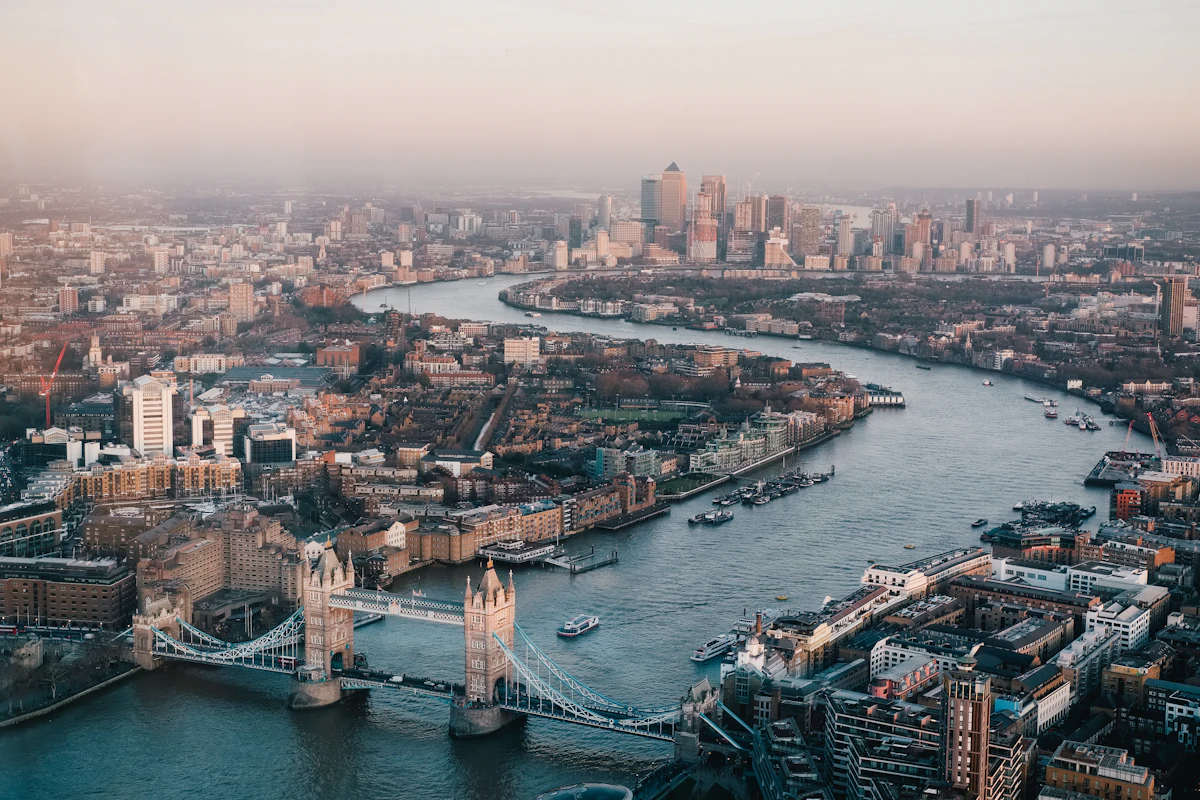
London base comparison
| Base | Best walking access | Evening feel | Watch for |
|---|---|---|---|
| Covent Garden | West End, Soho, Trafalgar Square, river crossings | Lively and theatrical | Crowds and premium room prices |
| South Bank | Thames promenade, cultural venues, Borough direction | Open, river-facing | Exact bridge and station matter |
| Westminster | Parliament, royal parks, Whitehall, Victoria | Quieter after offices and tours | Less neighborhood dining on some streets |
| Bloomsbury | British Museum, literary squares, King's Cross edge | Calmer and residential | Longer walk to the river and royal sights |
Many London sights sit in transport Zones 1 and 2, but that does not make them one walkable district. The City, Westminster, South Bank, Kensington, Camden, and Greenwich each produce satisfying days of their own. Accommodation is most useful when it removes one repeated transfer every morning—not when a map label simply says “Central London.”
Covent Garden
Covent Garden gives a first-time visitor unusually flexible departures. Walk west into Soho and the theatre district, south through the Strand to the river, east toward Holborn, or southwest toward Trafalgar Square. Multiple nearby stations create backups when rain, fatigue, or a timed ticket changes the plan.
Fits: short first visits, theatre evenings, restaurants, and travelers who want activity outside the door.
Skip it if: nightlife noise, visitor crowds, or central premiums would outweigh the saved travel time.
South Bank
The Thames is London's clearest pedestrian spine. A South Bank stay can turn the riverside, cultural venues, bridges, and views toward Westminster or the City into easy starts and relaxed returns. Families may appreciate the traffic-separated stretches and attractions nearby, though busy weekends change the atmosphere.
Fits: river scenery, arts venues, family days, and photographers who like early or late light.
Skip it if: your exact room is far from a bridge or station; “South Bank” covers a longer strip than the name suggests.
Westminster
Westminster puts ceremonial London in the foreground: Parliament, Whitehall, St James's Park, Buckingham Palace approaches, and the western riverfront. It is strong for early landmark walks before tour groups build. Victoria also adds useful rail and coach options, depending on where you stay.
Fits: iconic first mornings, royal history, parks, and travelers with a departure from Victoria.
Skip it if: you want independent shops and neighborhood restaurants immediately around the hotel; some blocks empty after work.
Bloomsbury
Bloomsbury trades instant palace views for a more liveable daily rhythm. Garden squares, the British Museum, university streets, bookshops, and the edges of Fitzrovia and Clerkenwell give it texture. Euston, King's Cross, and St Pancras may also simplify onward rail, while several Underground lines handle longer sightseeing jumps.
Fits: museum travelers, readers, quieter evenings, and rail arrivals or day trips.
Skip it if: every day centers on the Thames, Westminster, or Kensington; those starts require more positioning.
A Covent Garden orientation loop
Begin before the busiest market period, pass through the piazza and nearby lanes, continue toward Trafalgar Square, then choose either a river crossing to South Bank or a turn through Soho for lunch. Treat this as a flexible sequence, not exact navigation; verify opening hours and any temporary access restrictions.

Use the river and bridges as planning tools
The Thames clarifies direction, but crossing points decide whether a riverside hotel is genuinely convenient. A property that looks opposite a landmark may require a longer approach to the nearest bridge. Before booking South Bank, Bankside, or Westminster, trace the actual morning path to the bridge and station entrance. On the north bank, check whether your natural days run east–west along the river or north into Soho, Bloomsbury, and the parks.
Buses can be part of a walking-first strategy because they preserve street-level context. The Underground is faster for larger jumps, but a bus can connect the end of one walking day to the next neighborhood while letting you see how districts join. Contactless payment and Oyster are standard visitor options; check current fare and payment guidance directly with Transport for London before arrival.
Arrival reality
Heathrow's Elizabeth line reaches central stations including Paddington, Bond Street, Tottenham Court Road, Farringdon, and Liverpool Street. That makes the last connection—not a generic “airport access” claim—the useful test. Eurostar arrivals favor the Bloomsbury and King's Cross edge; Gatwick, Stansted, Luton, and coach arrivals create different station logic. With luggage, a direct line plus a simple final walk often beats a theoretically central base with several changes.
Pick by the London you picture
- Theatre, restaurants, and a flexible first trip: Covent Garden.
- River promenades, cultural buildings, and family attractions: South Bank, after checking the exact bridge.
- Parliament, royal parks, and landmark mornings: Westminster or the Victoria side.
- Museums, bookshops, and calmer nights: Bloomsbury.
- Markets and historic City streets: consider Bankside or the City edge instead of forcing a West End base.
Make a simple day map before paying. Put each must-see into a cluster—West End, Westminster, South Bank, City, Kensington, or a farther neighborhood. The base that wins the most mornings is usually better than the lowest straight-line average. Then compare nearby stations for step-free access if needed, late return options, and weekend closures. London's station name on a listing can be more informative than the marketing neighborhood, but only after you inspect the actual entrance and route.
Run three checks on the actual hotel
Check the usable station entrance. “Near the Tube” is not enough when the closest entrance has stairs, the useful line is several corridors away, or weekend work changes the route. TfL distinguishes step-free access to the platform from level access onto the train, so plan the whole journey if you use a wheelchair, push a stroller, or carry heavy luggage. Verify the live route again before arrival.
Check which side of the river your evenings end on. South Bank is excellent when performances, river walks, and family attractions anchor the day. It is less effortless if dinner, theatre, and late trains repeatedly finish north of the Thames. A bridge is part of the walk, not an invisible connector; test the last return rather than judging only the attractive daytime route.
Check the street after closing time. Covent Garden, Soho, and Westminster change character block by block. Read recent property comments for loading noise, pub closing noise, and room position, then look at the walk from your likely evening station. Bloomsbury may trade immediate spectacle for a calmer return. That is a preference decision, not a universal ranking of better or safer neighborhoods.
FAQ
What is the best area to stay in London for walking?
Covent Garden is our general first-timer choice because several classic clusters and multiple transport lines are close. The best personal answer changes if your days concentrate on museums, the river, or royal sights.
Can I see central London only on foot?
You can connect many neighboring central areas on foot, but London extends far beyond that core. Use the Tube, rail, or bus between clusters so the walking within each district remains enjoyable.
Is South Bank convenient for sightseeing?
Yes for riverside and cultural days. Convenience changes block by block, however, because bridges and station entrances determine how easily you reach the north bank and other parts of the city.
Where should a museum-focused visitor stay?
Bloomsbury suits the British Museum and central academic quarter. South Kensington is a better specialist base if the Victoria and Albert, Natural History, and Science museums dominate the trip.
Sources and checking notes
- Visit London: official London areas directory
- Visit London: Westminster area guide
- Transport for London: visitor payment options
- Transport for London: Elizabeth line route and stations
- Transport for London: wheelchair access and avoiding stairs
Official sources establish area and transport facts; the recommended base is our editorial judgment for walking-first visitors. Check live engineering works, access, fares, and property terms before travel.
Group your London days first
You do not need a tool to use this guide. If you want a visual check, make a free CityWalk Plan itinerary and see which side of the river your stops favor.
Build a London walking plan